
Why Off-Site Habitat Creation is the Future of Biodiversity Net Gain
With growing evidence that off-site BNG delivers better environmental outcomes, should the government rethink the Biodiversity Gain Hierarchy?
Under the Biodiversity Gain Hierarchy, developers must prioritise on-site Biodiversity Net Gain (BNG) before considering off-site delivery. This approach aligns with mitigation and preservation goals, prioritising protecting the habitats and species that already exist on land. However, should loss mitigation not be possible, the next option, on-site habitat creation, often results in spaces that are limited in size, fragmented and ecologically constrained.
It is becoming increasingly clear that off-site BNG is significantly better for the environment in the long term. With the goalposts of BNG legislation constantly changing, we must assess the role off-site BNG will play in the future. If the basis for BNG legislation is to leave the environment in a measurable better state, does it make sense to prioritise on-site habitat creation over off-site gains?
More space equals fully functioning ecosystems
Opting for on-site BNG typically results in small habitat spaces, such as isolated green patches within developments. These often function as ecological islands. They are limited in size, impacted by human activity and unable to support a wide range of species.
In contrast, large-scale habitat creation allows for the development of complete ecosystems. Instead of a single habitat type, larger sites can incorporate grasslands, woodlands, bodies of water and hedgerows. This diversity supports a wider range of species, from insects and birds to mammals and amphibians. The result of them all interacting within a more natural and balanced environment is richer, more stable biodiversity.

Off-site delivery creates connected ecological networks
One challenge facing on-site habitat creation is fragmentation. Paths, housing and other development priorities break up natural environments, making it more difficult for species to move, breed and adapt.
Large-scale, off-site habitat projects help solve this problem by creating connected ecological networks. These spaces act as corridors, allowing species to move freely between habitats, find food and hide from predators. This connectivity is critical for long-term survival, particularly as species respond to environmental pressures.
Smaller sites are rarely able to offer this level of connectivity. Even when multiple small habitats exist, they are often too isolated to function as a cohesive network.
Larger habitats are more resilient and sustainable
Resilience is another key advantage of off-site habitat creation. Larger habitats are better equipped to withstand the pressures ecosystems naturally face, from extreme weather to invasive species.
One major pressure that on-site habitats frequently face is the impact of human disturbance. Green spaces can be a major pull for interested buyers on housing developments, but equally, those spaces can often fail due to high levels of human impact. With a 30-year habitat management responsibility legally required, poorly designed on-site habitats risk long-term underperformance or failure.
Small sites are significantly more vulnerable. A single disturbance can significantly reduce their ecological value, and recovery is often slow or impossible.
The future of the Biodiversity Gain Hierarchy
The government may reconsider the Biodiversity Gain Hierarchy if evidence emerges that its strong preference for on-site delivery is not consistently producing the best ecological or economic outcomes.
Policymakers may also respond to concerns from developers about viability, delays and design limitations, especially when on-site requirements conflict with housing targets or infrastructure priorities. At the same time, advances in habitat banking, monitoring technology and large-scale conservation could make off-site delivery even more reliable.
Considering this context, the government might explore a more flexible hierarchy that places greater emphasis on overall ecological outcomes and strategic habitat creation, rather than strictly prioritising location, while still safeguarding against the loss of irreplaceable habitats.
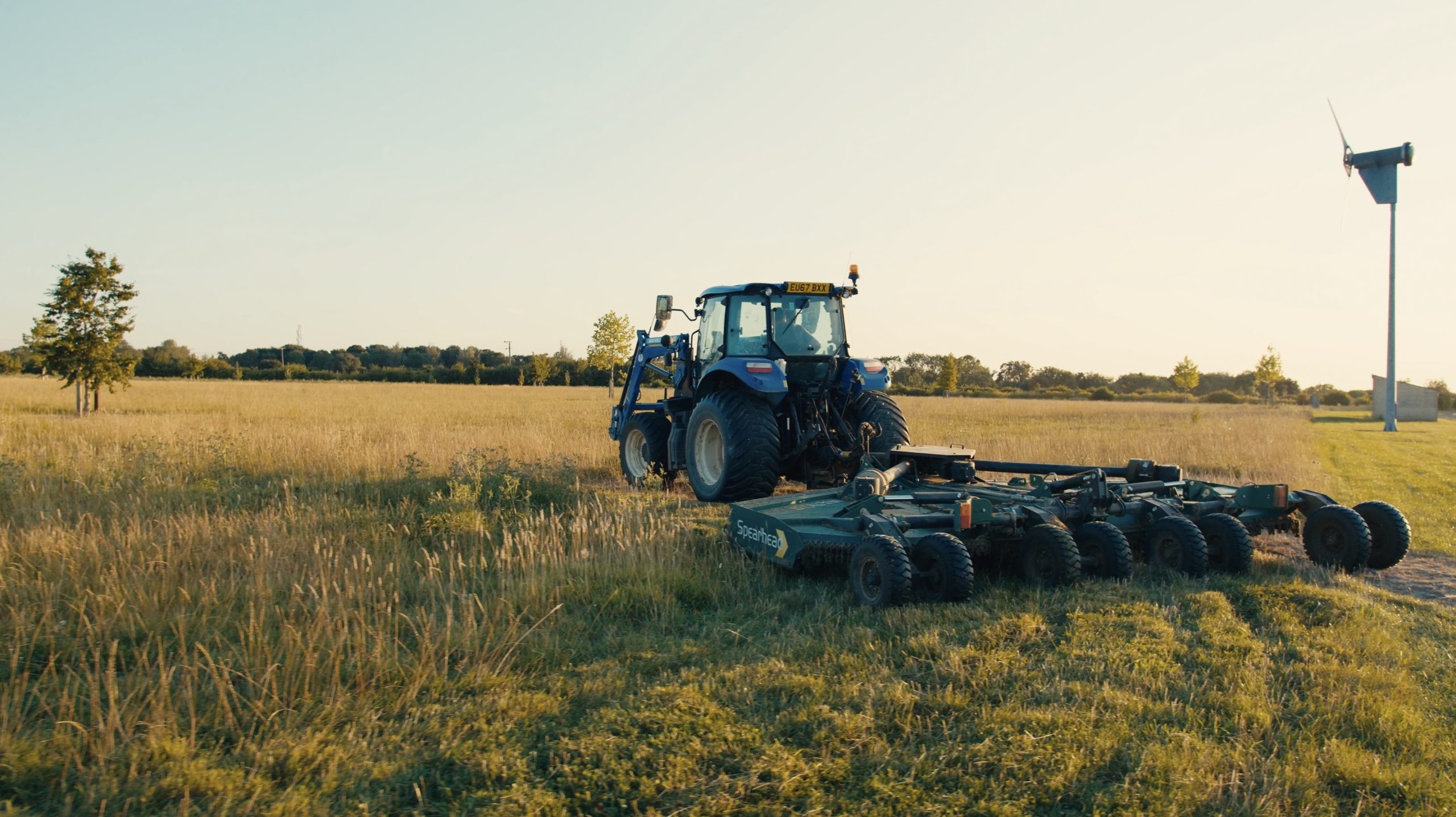
Why you should opt for off-site BNG delivery
In many cases, development sites are constrained by space, land value or design requirements, making it difficult to create high-quality or meaningful habitats without compromising the project’s viability. Off-site BNG would allow you to opt for habitat creation in locations that are more suitable for biodiversity. This would allow for larger, better-connected and more ecologically appropriate habitats to be established and managed at scale.
Opting for off-site gains can lead to more measurable and long-term biodiversity outcomes, supported by specialist land managers such as BNG Units Ltd. Additionally, it would provide developers with greater flexibility, cost certainty and reduced delivery risk compared to trying to integrate unviable ecological features into a built environment.
Biodiversity units are calculated using the same metric within a Local Planning Authority. This means one on-site unit is effectively equivalent to an off-site unit delivered locally, provided both meet the required standards and are legally secured. As a result, off-site BNG can achieve stronger real-world ecological outcomes without reducing the measurable biodiversity value of a development.
Ready to secure your off-site Biodiversity Net Gain units? Contact us at BNG Units Ltd, and we can assist you with the entire process.