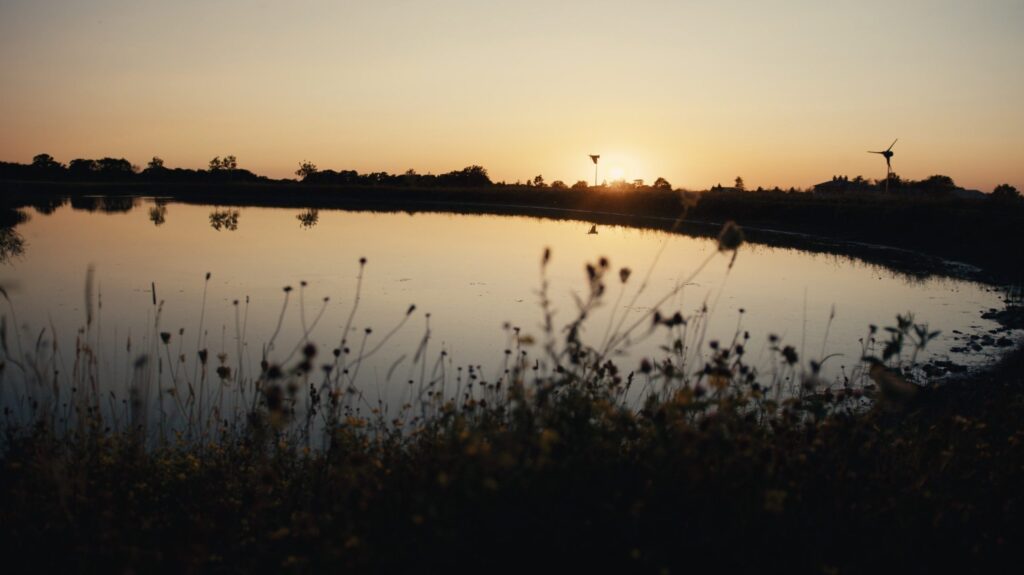
Types of BNG Units & Why They Matter
There are three main types of BNG units – area, watercourse and hedgerow units
Since Biodiversity Net Gain (BNG) became mandatory in England, developers have had to place greater emphasis on measuring and enhancing biodiversity. Under the Environment Act 2021, most developments are required to deliver at least a 10% increase in biodiversity value compared to the pre-development baseline.
This gain is measured using standardised biodiversity units calculated through the statutory biodiversity metric. Understanding the different types of BNG units is essential for anyone involved in development, as each unit represents a distinct element of biodiversity and plays a vital role in ensuring development contributes positively to nature recovery.
What are BNG units?
BNG units are a standardised way of quantifying the biodiversity value of a site. They are calculated using several factors, including habitat size, condition, distinctiveness, and strategic location.
The metric provides a consistent method for assessing biodiversity loss and gain, helping to determine how much habitat must be created or enhanced to achieve the required net gain.
There are three main categories of BNG units:
- Area units
- Hedgerow units
- Watercourse units
What are the three types of BNG units?
Area units
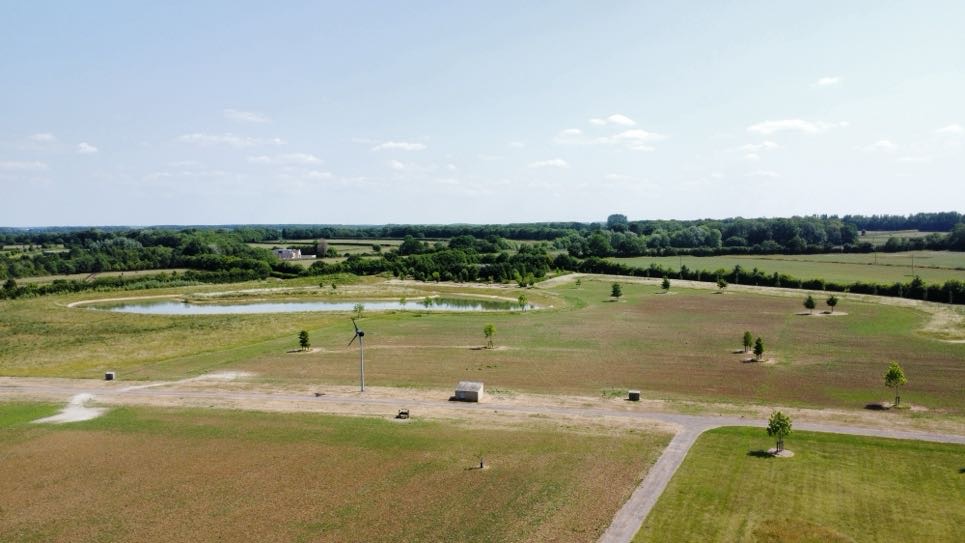
Area units (also known as habitat units) are the most common form of BNG unit. They relate to the area and quality of habitats present on a site, including:
- Grasslands
- Woodlands
- Shrubs
- Wetlands
The number of units generated depends not only on the size of the habitat but also on its ecological condition and distinctiveness. In some cases, a small area of high-quality habitat can be worth significantly more than a larger area of degraded habitat.
Why area units matter
Area units can:
- Improve ecological resilience
- Increase connectivity between wildlife habitats
- Support species recovery
- Deliver long-term environmental benefits
They provide a standardised way of measuring habitat value and ensure developments contribute to genuine nature recovery rather than simple habitat replacement.
Hedgerow units
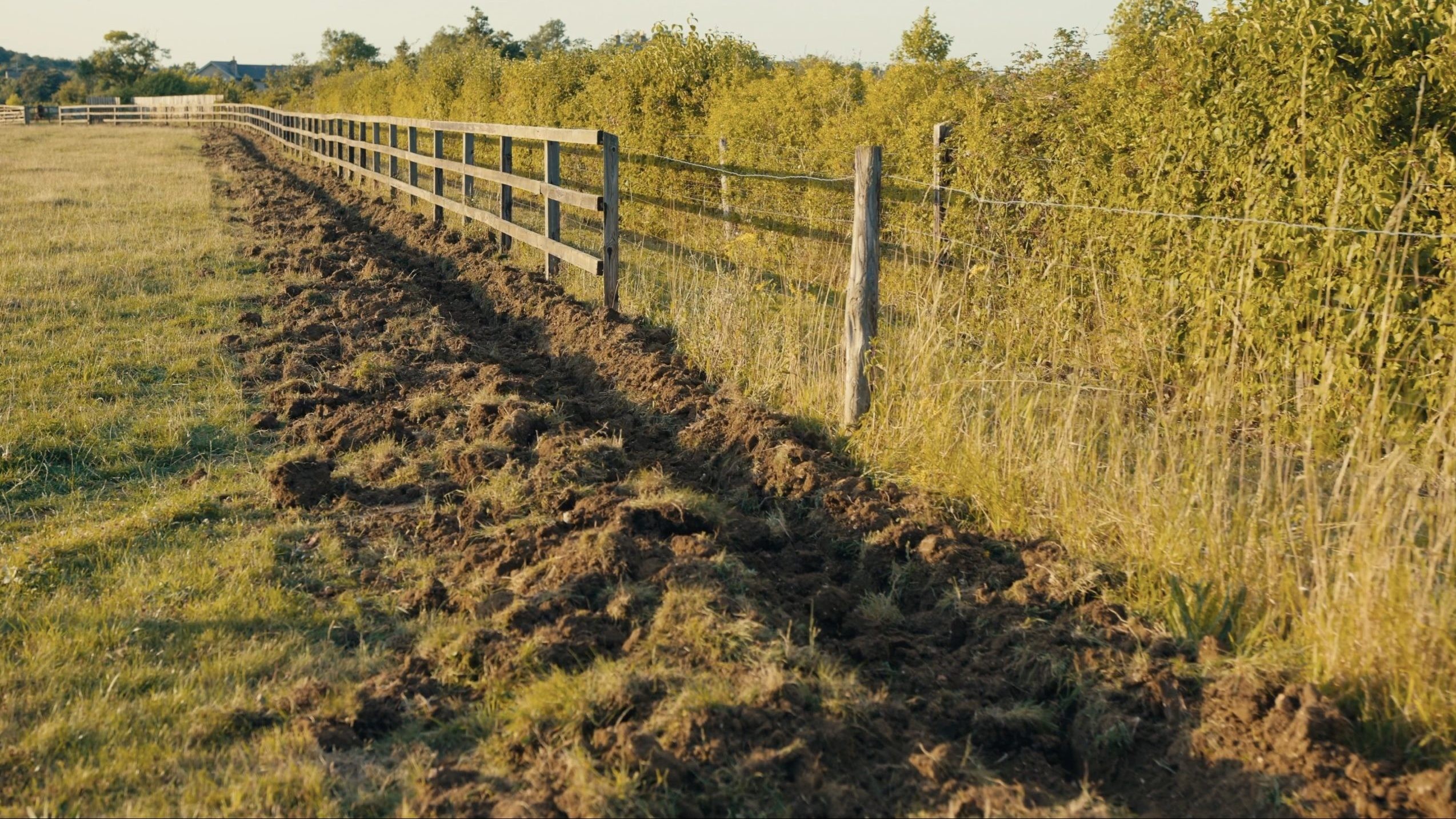
Hedgerows are assessed separately due to their significant ecological importance. They are measured primarily by length and condition rather than area.
Why hedgerow units matter
Hedgerows are one of the UK’s most valuable ecological networks:
- Connectivity: They act as wildlife corridors, enabling species to move across fragmented agricultural and urban landscapes, linking isolated habitats.
- High ecological value: Despite their narrow form, hedgerows support a wide range of wildlife, including insects, birds, and small mammals.
- Nesting and shelter: They provide nesting sites for birds and refuge for species such as hedgehogs and dormice.
- Environmental protection: Hedgerows reduce wind exposure, slow water runoff, and help prevent soil erosion and pollutant transfer into watercourses.
- Historic decline: The UK has lost a significant proportion of its hedgerows since the post-war period, contributing to declines in associated wildlife populations.
Because hedgerows take many years to establish, protecting and enhancing existing networks is often more beneficial than replacement.
Watercourse units
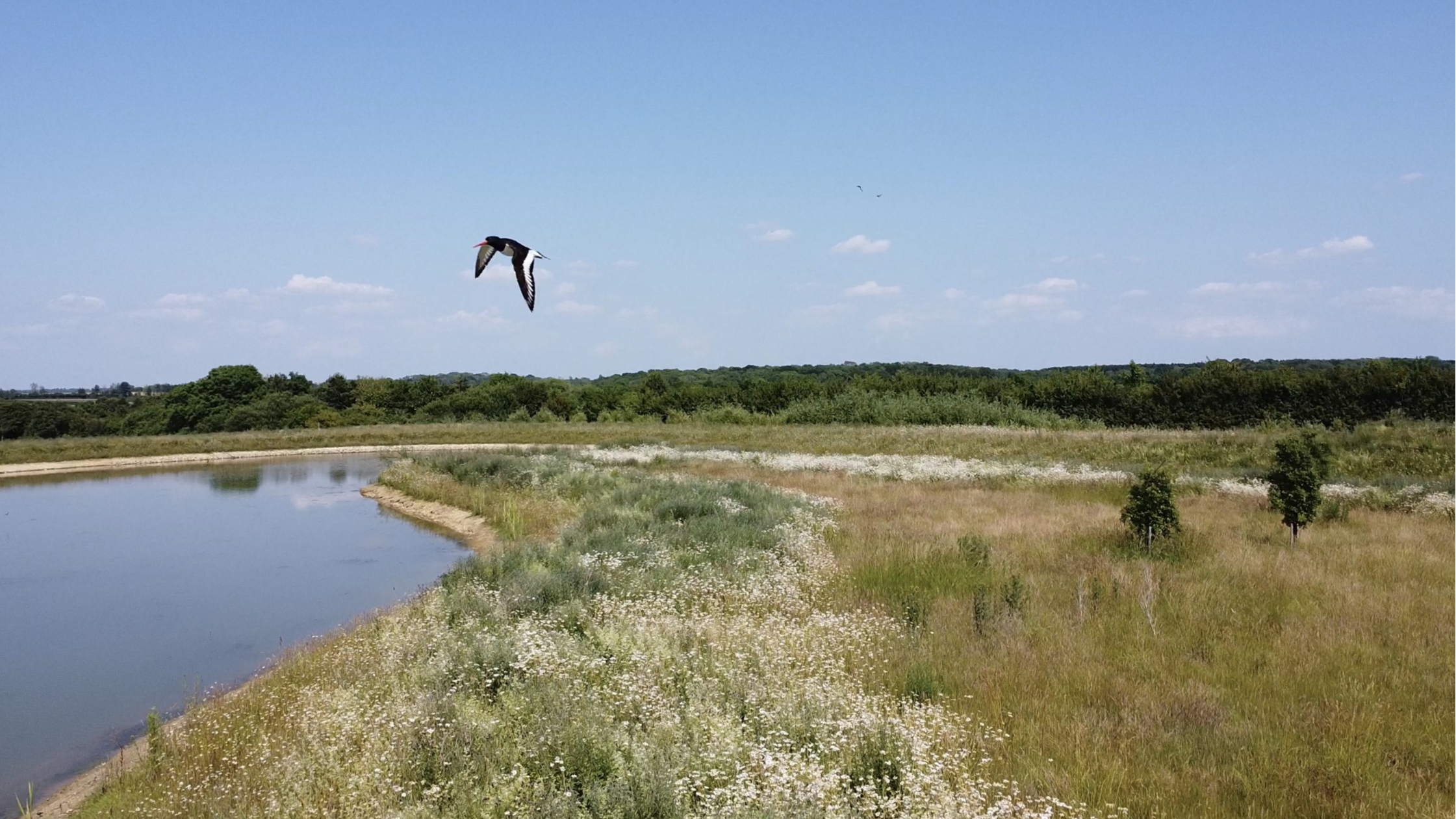
Watercourse units relate to linear aquatic features such as ditches, rivers, streams, and canals. They are assessed separately due to their distinct ecological function and management requirements.
Why watercourse units matter
Watercourses provide essential environmental benefits, including:
- Supporting aquatic biodiversity: They protect and enhance habitats for freshwater species and ecosystems.
- Improving water quality: Healthy watercourses help filter pollutants, reduce sedimentation, and improve overall water quality.
- Reducing flood risk: Connected floodplains and natural river systems slow and store water, helping reduce downstream flooding.
- Creating ecological corridors:Rivers and streams enable species movement and genetic exchange across landscapes.
- Enhancing climate resilience: Restored watercourses are better able to withstand droughts, heavy rainfall, and temperature extremes.
Why are different types of BNG units important?
Separating biodiversity into area, hedgerow, and watercourse units ensures that each habitat type is properly valued and protected. A kilometre of hedgerow cannot be substituted for an area of grassland, as each provides distinct ecological functions.
This approach ensures a wider range of ecosystems are created, enhanced, and maintained. It also supports habitat connectivity, climate resilience, and long-term species recovery.
Looking for off-site Biodiversity Net Gain?
At BNG Units Limited, we provide a wide range of off-site Biodiversity Net Gain units to help developers meet their planning obligations.
We create and enhance a diverse mix of habitats, including wildflower meadows, hedgerows, ponds, and other ecological features, generating a variety of BNG unit types. This allows us to offer a flexible supply of habitat, hedgerow, and watercourse units to meet different planning requirements.
By managing these habitats long-term, we help developers secure compliant off-site units while ensuring biodiversity gains are meaningful, measurable, and lasting.
If you are looking to secure off-site BNG units, get in touch and we can help you find the right solution.