What are irreplaceable habitats under BNG?
Our guide to irreplaceable habitats, why they matter and how they are protected under Biodiversity Net Gain legislation.
Under the Environment Act 2021, most developments in England have to deliver at least a 10% biodiversity net gain. This ensures that biodiversity is left in a better state than pre-development.
However, not all habitats can be recreated or improved in the same way. Some habitats have developed over hundreds of years and support complex ecosystems that can’t be easily replicated elsewhere.
These are known as irreplaceable habitats. They receive extra protection under BNG legislation due to their ecological importance.
What is an irreplaceable habitat?
An irreplaceable habitat is a habitat that would be very difficult to restore or replace once it has been destroyed. In some cases, this is because it would take a very long time to recreate, or may be technically challenging.
They are often home to rare species and complex ecological systems that have developed over a long period of time.
As set out in the Biodiversity Gain Requirements (Irreplaceable Habitat) Regulations 2024, these include:
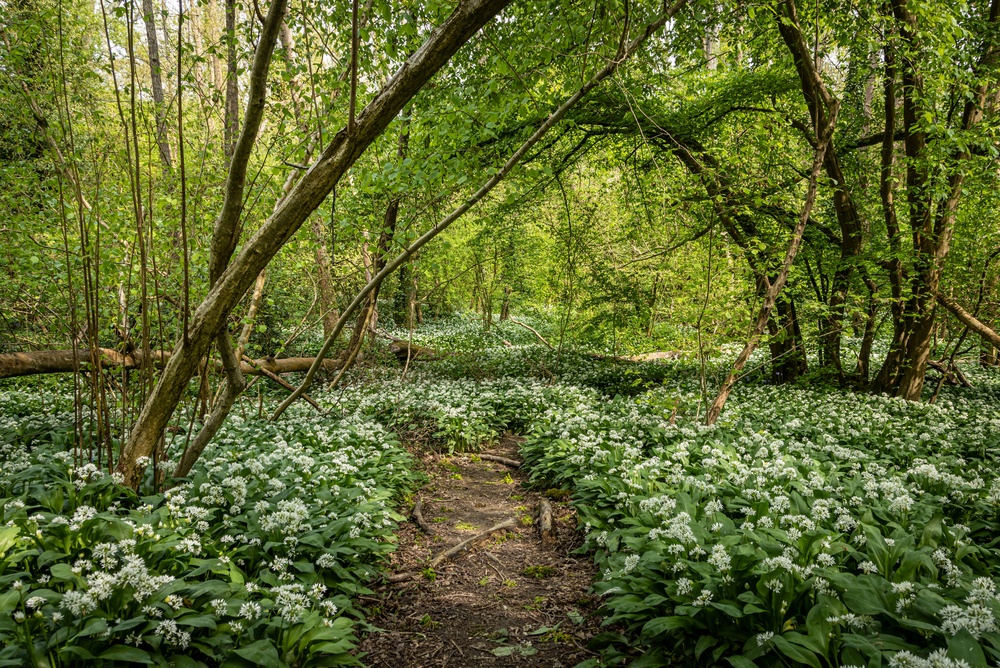
- Ancient woodland – woodland that has existed since at least 1600.
- Ancient and veteran trees – trees of exceptional age, size or ecological importance.
- Blanket bog – extensive areas of peatland that play an important role in carbon storage and water management.
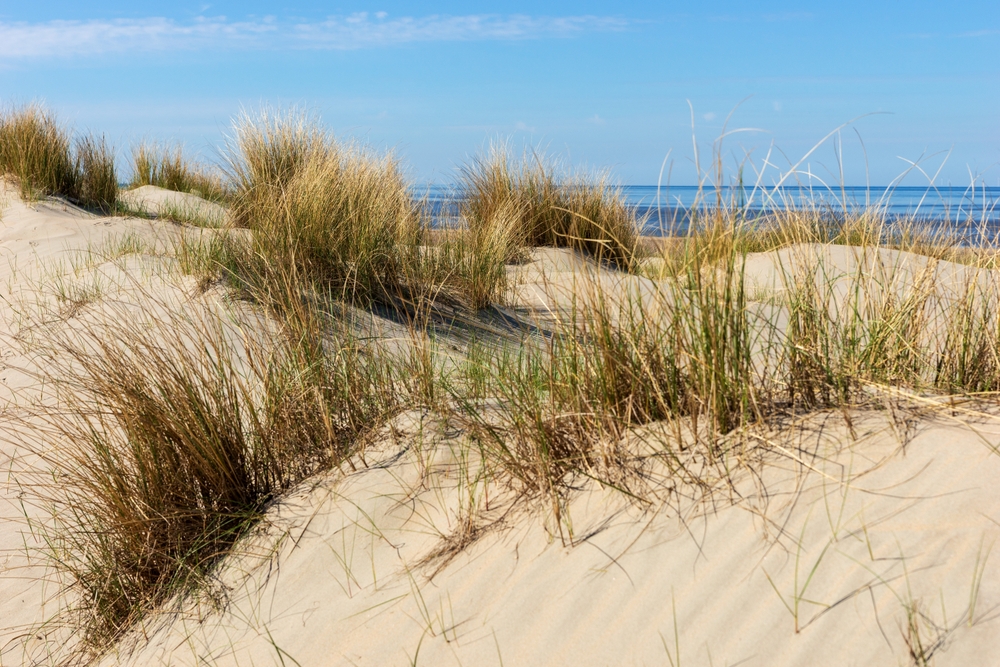
- Coastal sand dunes – established dunes that support specialist plants and wildlife.
- Limestone pavement – naturally weathered limestone formations that are home to many distinctive plant communities.
- Lowland fen – wetland habitats with specialised water conditions and plant life.
- Spartina saltmarsh swards – coastal habitats formed by salt-tolerant cord-grass.
- Mediterranean saltmarsh scrub – salt-tolerant scrub found in the upper levels of saltmarshes, often where they meet sand dunes.
A habitat isn’t necessarily irreplaceable simply because it is old, rare or valuable. Its status must be assessed against the relevant guidance.
Why are irreplaceable habitats important for BNG?
As the key purpose of BNG legislation is to leave biodiversity in a better state than pre-development, irreplaceable habitats must be treated differently. Their loss can’t be balanced through habitat creation or purchase of off-site BNG units.
For example, simply planting a new area of woodland would not replace the ecological community that has developed over centuries in an ancient woodland.
How does BNG legislation protect irreplaceable habitats?
Biodiversity units are not assigned to irreplaceable habitats in the same way as other habitats under the statutory biodiversity metric. They must still be recorded in the metric, but the 10% net gain requirement doesn’t apply to them. Instead, developers must provide appropriate compensation for any unavoidable impact their development has on irreplaceable habitats.
The mitigation hierarchy is central to this process:
- Avoid
Developers should first assess whether the proposed development can avoid affecting the irreplaceable habitat altogether.
- Minimise
Where impacts cannot be avoided, steps should be taken to minimise the severity of any damage.
- Compensate
Any unavoidable impacts must be addressed via compensation that considers the habitat’s particular characteristics.
Planning permission for developments that affect irreplaceable habitats will also undergo additional scrutiny. The local planning authority must consider the impacts of the development and how appropriate the proposed compensation is.
Compensation doesn’t automatically make the loss of an irreplaceable habitat acceptable. Avoiding harm must remain the priority. Under the NPPF, development resulting in the loss or deterioration of irreplaceable habitats should be refused unless there are wholly exceptional reasons and a suitable compensation strategy exists.
Can developers use off-site BNG units to compensate for irreplaceable habitats?
No. The biodiversity value of irreplaceable habitats can’t be equated to standard BNG units, meaning they can’t be used to compensate for any impact or loss.
Additional habitat creation or enhancement can be part of a wider compensation proposal, but off-site BNG alone will not replace the specific compensation required for the irreplaceable habitat itself.
For developers, early ecological assessments are particularly important so they can identify any irreplaceable habitats. This will help avoid unexpected planning complications and costs.
What should developers do if their site contains an irreplaceable habitat?
There are several steps a developer should take if an irreplaceable habitat is within or near the proposed development site. These include:
- Arrange an ecological assessment
An appropriately qualified ecologist can identify habitats on the site, assess their condition and determine whether they count as an irreplaceable habitat.
- Consider the development layout
If possible, developers should adjust their plans to avoid impact on irreplaceable habitats. This could look like adjusting building locations, access routes or other infrastructure.
- Understand the compensation requirements
Where impact can’t be avoided, developers need to determine what compensation is required for any damage to irreplaceable habitats. This can be discussed with an ecologist and their local planning authority.
- Plan BNG delivery separately
Developers should also consider how to meet standard BNG requirements for other habitats affected by their development. This can include on-site habitat creation and enhancement, alongside registered off-site BNG units.
This will help developers determine what can be offset using standard BNG units, and what requires additional compensation.
Irreplaceable habitats and the future of BNG
Irreplaceable habitats demonstrate a key principle of BNG: that not all biodiversity losses can be compensated by habitat creation and enhancement.
While the legislation offers avenues for developers to deliver improvements to biodiversity, it does not remove the need to protect existing environments.
For developers, understanding the distinction between standard and irreplaceable habitats is important when planning new developments.
At BNG Units Ltd, we support developers looking to secure off-site BNG. By helping to deliver habitat improvements through registered biodiversity gain sites, we aim to contribute to better outcomes for nature alongside responsible development.
Looking for off-site BNG units in East Anglia? Get in touch with BNG Units Ltd to find out more about our available biodiversity units.