
What is Biodiversity Net Gain? A Guide for Developers
A complete guide on Biodiversity Net Gain for developers, including what it is, how it is measured and how to achieve BNG.
Biodiversity Net Gain (BNG) became mandatory for developments as part of the Environment Act 2021 and is now a key part of the planning and development landscape in England. The regulations making BNG mandatory came into force on the 12th of February 2024 for most developments, with requirements for small sites phased in shortly afterwards.
The aim of the legislation is straightforward: ensure that new developments leave the natural environment in a measurably better state than it was before construction began. They should do this by delivering a 10% biodiversity net gain.
What is BNG?
Biodiversity Net Gain (BNG) is an approach that requires development projects to produce a net positive impact on biodiversity. In practical terms, that means:
- Measuring the ecological value of a site before development begins.
- Planning habitat creation or enhancement that increases the value by at least 10%
- Ensuring the gains are maintained for at least 30 years after implementation.
How is BNG measured?
Biodiversity Net Gain (BNG) is calculated using a statutory biodiversity metric tool. This official metric converts habitats into standardised biodiversity units, considering factors such as:
- Habitat type,
- Quality;
- Size and,
- The strategic significance of the habitat’s location.
Using these inputs, ecologists will calculate the pre- and post- development biodiversity value of the habitats. These biodiversity units are the basis for demonstrating compliance with the legal requirement.
You can find a complete guide on using the statutory biodiversity metric here.
Who needs BNG?
BNG obligations apply to most planning applications in England, including:
- Major developments;
- Small sites (e.g. residential schemes with fewer than 10 dwellings or under 0.5 hectares)
- Nationally significant infrastructure projects, as of May 2026.
There are some exemptions, for example, developments that impact a very small number of non-priority on-site habitats. You can find a full list of exempt developments on the government website.
Land managers looking to sell in the BNG market and local planning authorities (LPAs) should also be familiar with the rules.

How can developers meet BNG requirements?
To achieve 10% biodiversity net gain, developers have three main options:
On-site gains
The first and preferred route is on-site enhancement: improving or creating habitats within the development boundary. This might include:
- Restoring or enhancing woodlands or grasslands;
- Creating ponds or wetlands;
- Improving hedgerows and other wildlife corridors.
Success in on-site delivery often depend on the available space and ecological context.
Off-site units
When sufficient BNG can’t be delivered on-site, developers can:
- Create or enhance habitats on other land they own;
- Purchase off-site biodiversity units from a registered habitat bank or private supplier.
The units represent quantified biodiversity improvement that can contribute to your overall biodiversity net gain. It is very common for developers to purchase off-site units when their development site faces space constraints or unviable habitat options.
The BNG metric also adjusts how may units you may need in relation to the distance between the habitat and your Local Planning Authority (LPA) or National Character Area (NCA). For example, if it sits in the same LPA or NCA, 1-unit required need 1 unit off-site. However, if the unit is in the neighbouring LPA or NCA, 1 required unit needs 1.33 units off-site.
Off-site units can vary in price depending on the type of habitat. To find out more about the price of units at BNG Units Ltd, contact Angus or fill in the form on our website.
Statutory Biodiversity Credits
As a last resort, if neither on-site nor off-site options deliver enough units, developers must purchase statutory biodiversity credits. These credits are issued by the government and intentionally cost more, so developers seek natural biodiversity net gain first. The government will use the revenue generated by these credit purchases to invest in habitat creation in England.
The legal process for all three routes follows the biodiversity gain hierarchy, which prioritises avoiding harm and enhancing on-site habitats before off-site or credit purchases. It is also an option to combine these options to deliver your 10% net gain. For example, should your development not quite reach its on-site target, you can purchase off-site units to fill the gap. You can find out more about the advantages and disadvantages of on-site vs off-site BNG using our guide.
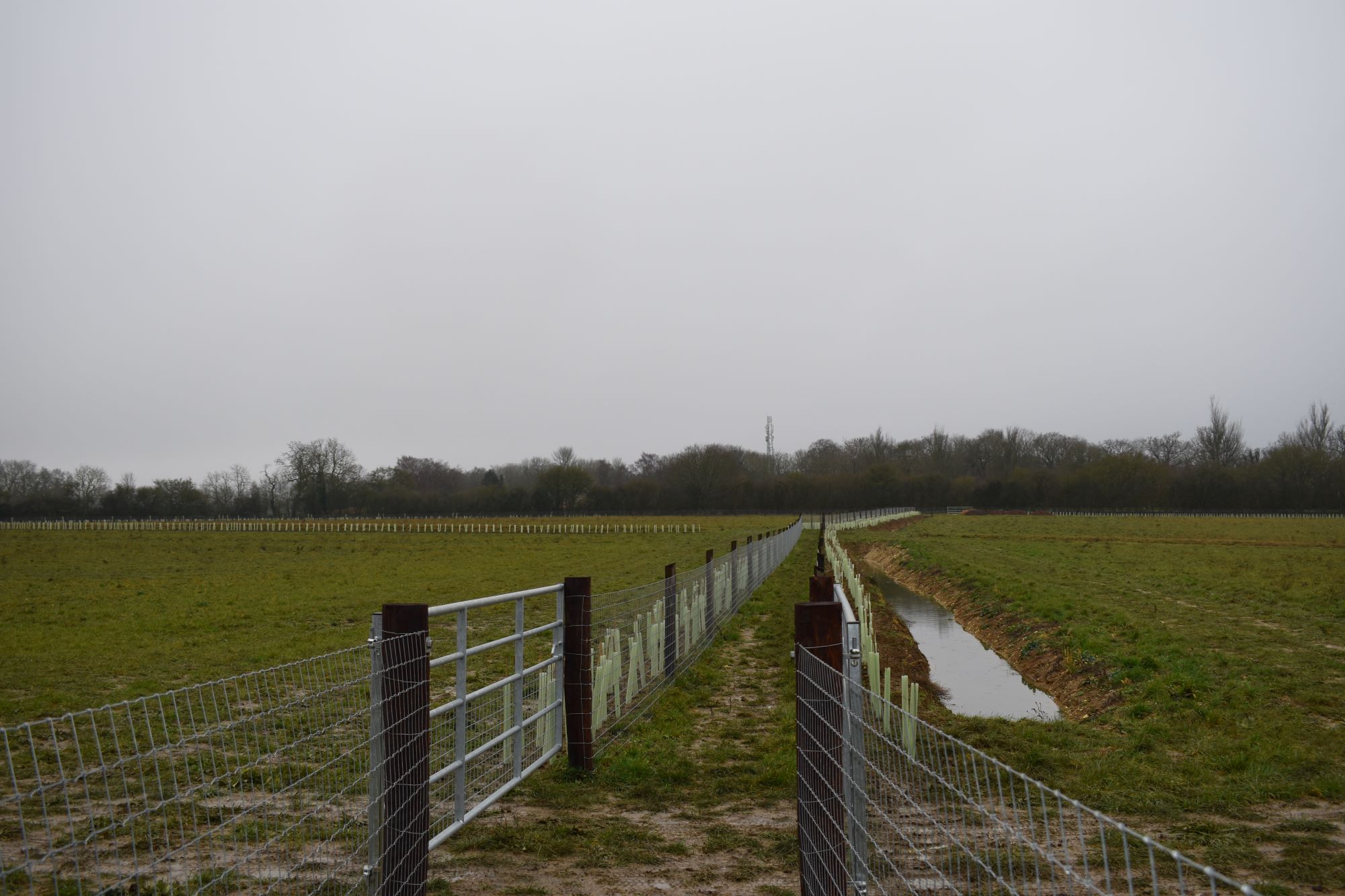
Key things developers need to know
Ecologist Involvement
Accurate measurement and planning for BNG almost always requires qualified ecological expertise. Ecologists conduct baseline assessments, design enhancement strategies, and advise on unit calculations. There is a possibility that an LPA will reject biodiversity metric calculations if they were not conducted by an ecologist or other qualified person.
Biodiversity Gain Plan
In order to start development, developers must submit a Biodiversity Gain Plan once they receive planning permission from their Local Planning Authority (LPA). This document outlines how the 10% gain will be achieved and includes metric calculations. For more information on the Biodiversity Gain Plan, visit our guide here.
Long-Term Management
Once the Biodiversity Gain Plan has been approved, should developers need to create significant on-site gains they must enter into a Section 106 agreement with their LPA that requires them to maintain and monitor the habitats for a minimum of 30 years. Should developers fail to maintain the habitats, they may face legal and economic consequences, as outlined here.
If the developer opts to deliver their BNG requirements off-site, these responsibilities are passed on to the off-site unit provider.
What does BNG Units Ltd do?
At BNG Units Ltd, we provide:
- Off-site units- we offer a diverse range of BNG units, from broadleaved woodlands and enriched hedgerows to species-rich wildflower meadows and ponds.
- Reliability- we work hand in hand with our Local Planning Authority (LPA), making us a reliable partner for developers who are seeking ecologically sound solutions for their projects.
- Pre-planning support- we can provide proof of unit identification that can be submitted alongside planning applications.
- Post-planning- after unit purchase, we provide a Supply and Assurance Certificate and completed metric, which is used as your proof of purchase when submitting the final Biodiversity Gain Plan.
- Long-term management- our Habitat Management and Monitoring plan sets out how we plan to establish, maintain and monitor your habitats over the required 30-year period. This takes all the responsibility out of your hands and into ours.
At BNG Unit Ltd, we are committed to improving England’s biodiversity, one unit at a time. To find out more about the units we have on offer, or to discuss how we might be able to help you, contact Angus.