How do heatwaves impact biodiversity?
As heatwaves become a familiar feature of the UK summer, the impact on our natural environment is becoming harder to ignore. Prolonged periods of extreme heat and drought can put significant pressure on habitats and wildlife, affecting everything from water availability and plant growth to food sources and breeding conditions.
For developers, this highlights the importance of creating and protecting high-quality, resilient habitats through Biodiversity Net Gain (BNG).
Placing the responsibility of habitat creation, restoration and long-term management in the hands of a trusted off-site BNG unit provider means we can create habitats that are more capable of withstanding extreme weather.
So, how exactly do heatwaves affect biodiversity – and why does this make the creation of resilient habitats through BNG increasingly important?
What does a heatwave mean for biodiversity?
Water becomes scarce
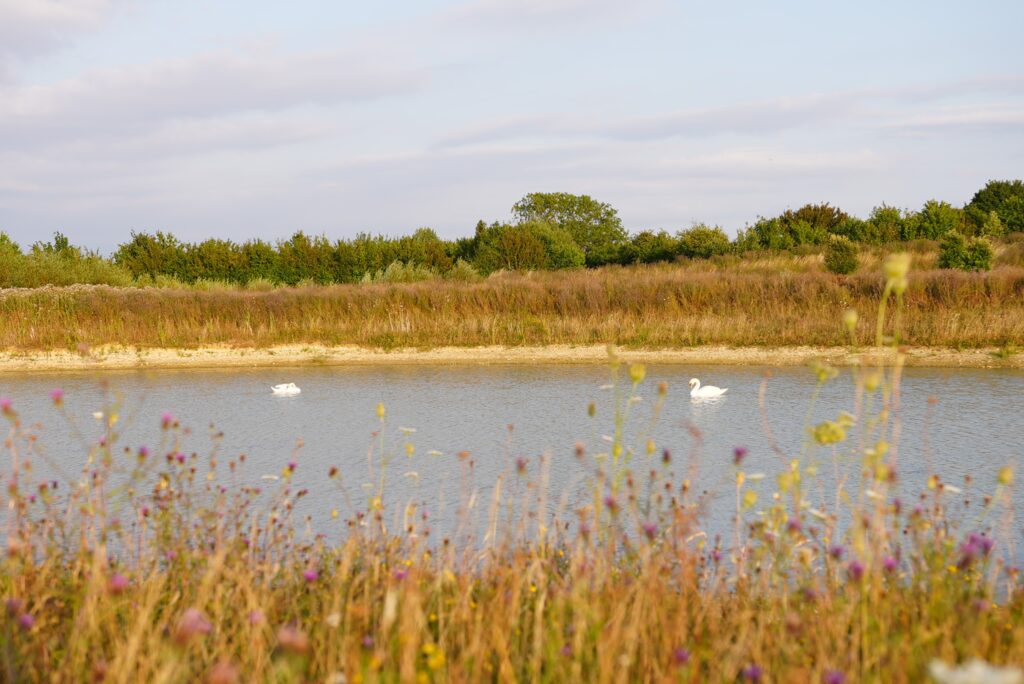
One of the most immediate impacts of prolonged heat is a lack of water.
High temperatures increase evaporation and extended periods without rain can reduce water levels in ponds, wetlands, streams and rivers. This can have serious consequences for freshwater species.
Fish, amphibians, insects and aquatic plants all depend on healthy freshwater habitats. As water levels fall and temperatures rise, these species will find it harder to survive.
Low river flows can also affect water quality and reduce the availability of suitable habitat. Managing water resources sustainably during periods of drought is therefore important not only for people, but also for maintaining healthy ecosystems.
Plants become stressed
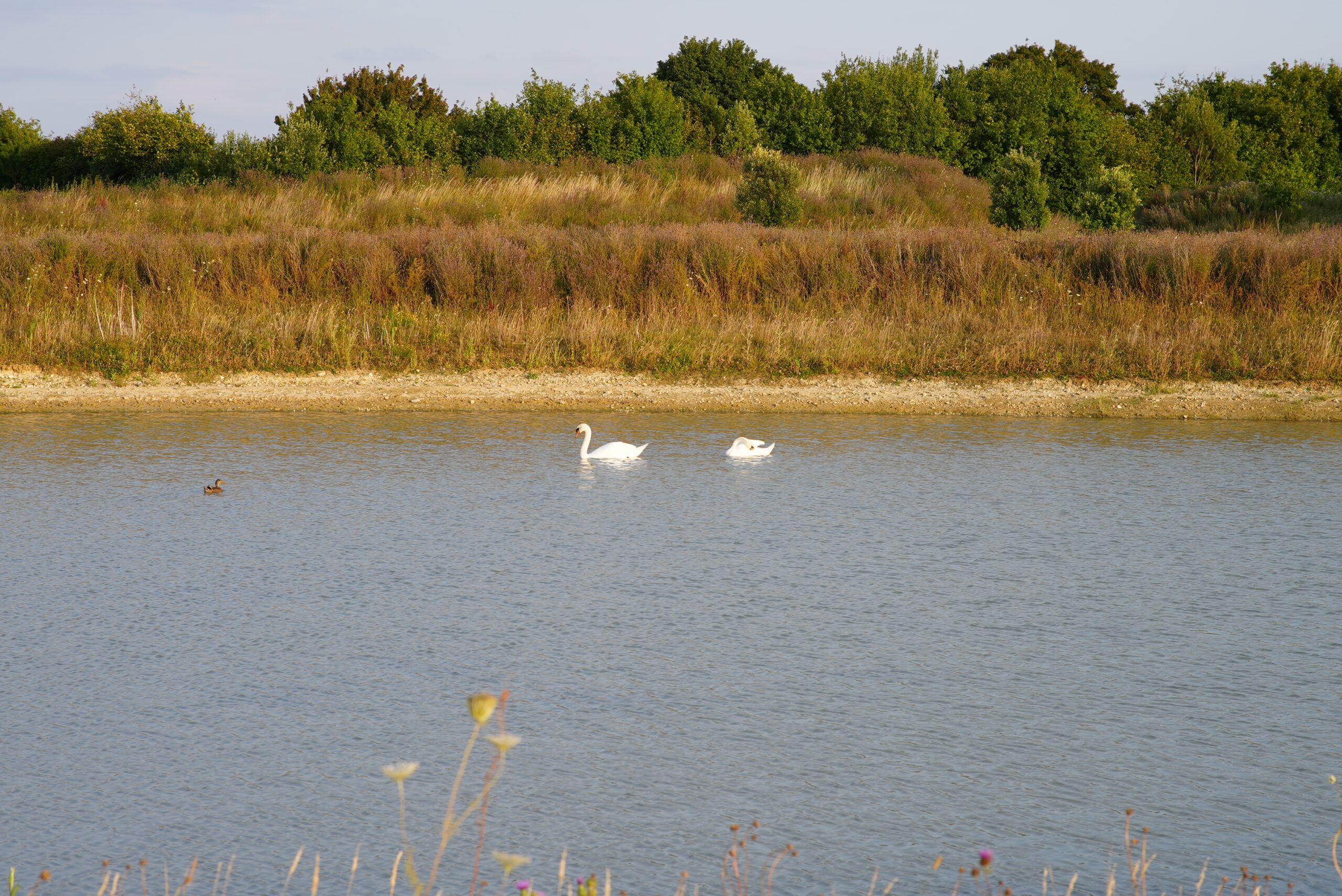
Plants rely on water to grow and reproduce, making them particularly vulnerable to prolonged hot and dry conditions.
During a heatwave, soil moisture can fall rapidly meaning plants may wilt, stop growing or become more susceptible to disease and pests.
Trees can also experience significant stress during periods of drought. Younger trees and newly established habitats can be particularly vulnerable because their root systems are not fully developed.
This highlights an important consideration when creating new habitats: establishing biodiversity is only the beginning. Long-term management is essential to help habitats become resilient and reach their intended condition.
Pollinators can be affected
Bees, butterflies and other insects depend on plants for food, while plants rely on many of these species for pollination.
Extreme heat and dry conditions can affect flowering plants and reduce the availability of nectar and other food sources. If plants flower earlier than usual or flowering periods are shortened, this can also disrupt the relationship between plants and the insects that depend on them.
This can cause a knock-on effect throughout the wider ecosystem.
Wildlife can struggle to find food and shelter
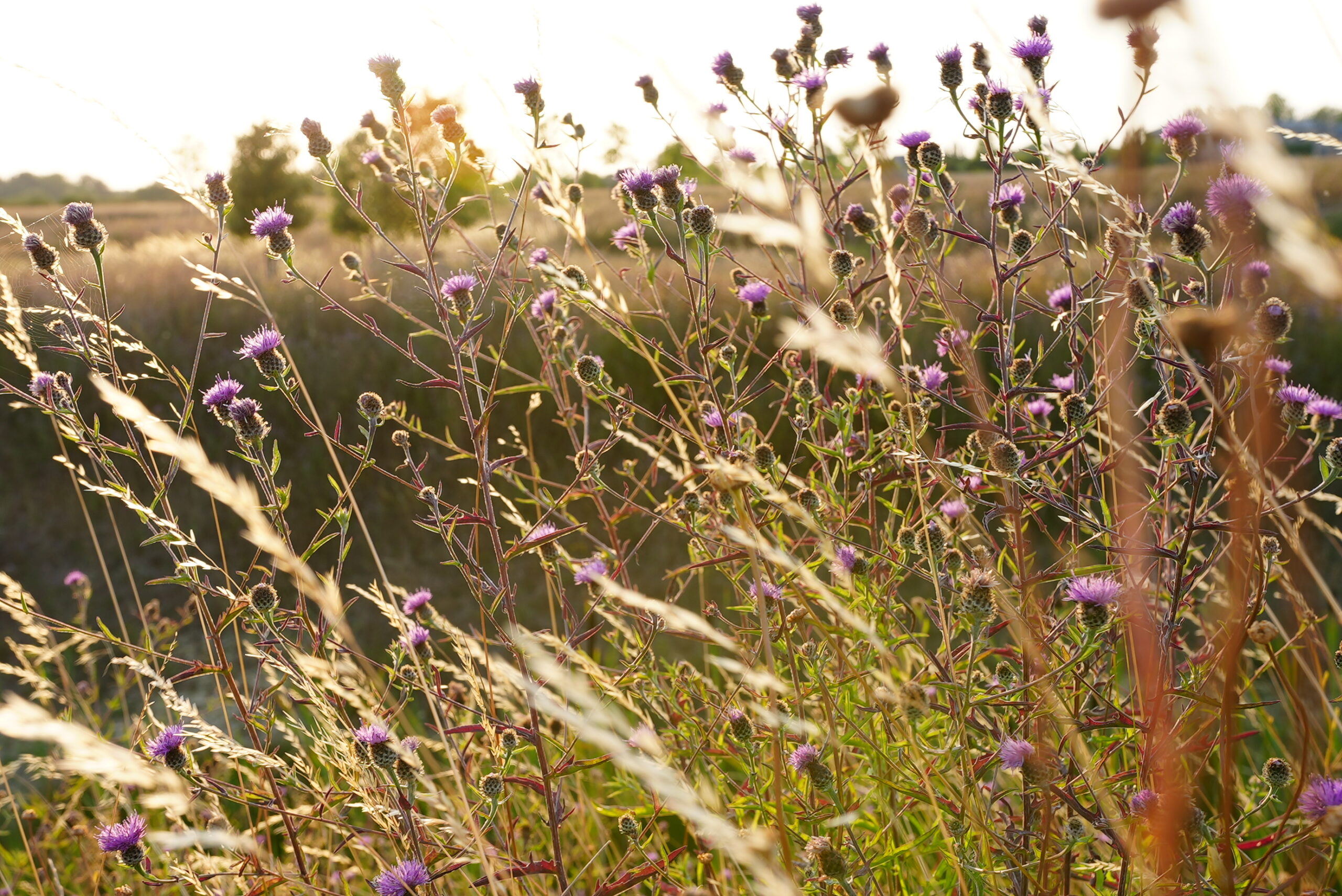
When vegetation becomes stressed or water sources disappear, animals will have fewer places to feed, drink and shelter. This can disrupt entire food chains.
Species that are already under pressure from habitat loss or fragmentation may be particularly vulnerable. Extreme weather can add another layer of stress to ecosystems that are already struggling to support healthy populations.
Biodiversity loss is already a significant environmental concern. A 2026 UK government assessment highlighted the widespread degradation of ecosystems and the importance of protecting and restoring ecosystems to improve resilience.
Biodiversity loss is already a significant environmental concern. A 2026 UK government assessment highlighted the widespread degradation of ecosystems across the world and the importance of protecting and restoring ecosystems to improve resilience.
Wildfires can destroy habitats
We’ve already seen a huge increase in wildfires across the UK, and the damage these are causing the ecosystem is extraordinary.
Wildfires can destroy vegetation and habitats, damage soils and directly harm wildlife. The effects can extend beyond the immediate area, particularly where fires affect important or protected habitats. As the UK’s climate changes, building resilience into landscapes is becoming increasingly important.
What does this mean for Biodiversity Net Gain?
BNG is designed to ensure that development leaves biodiversity in a better state than it was before. While BNG is not specifically a climate adaptation policy, creating and maintaining high-quality habitats can contribute to more resilient landscapes.
For example, well-designed biodiversity enhancements can provide:
- Shelter and food sources for wildlife
- Connected habitats that allow species to move through the landscape
- Wetland habitats that support freshwater biodiversity
- Trees and vegetation that provide shade and habitat
- Diverse habitats that can support a wider range of species
The quality and long-term management of these habitats are crucial. BNG habitats are generally secured for a minimum of 30 years, meaning biodiversity gains need to be maintained rather than simply created and left unmanaged.
Learn more: On-site or off-site BNG: which is right for your development?
Building more resilient habitats
Heatwaves are just one of the pressures facing UK biodiversity. Wildlife and habitats are also affected by habitat loss, pollution, invasive species, disease and changing weather patterns.
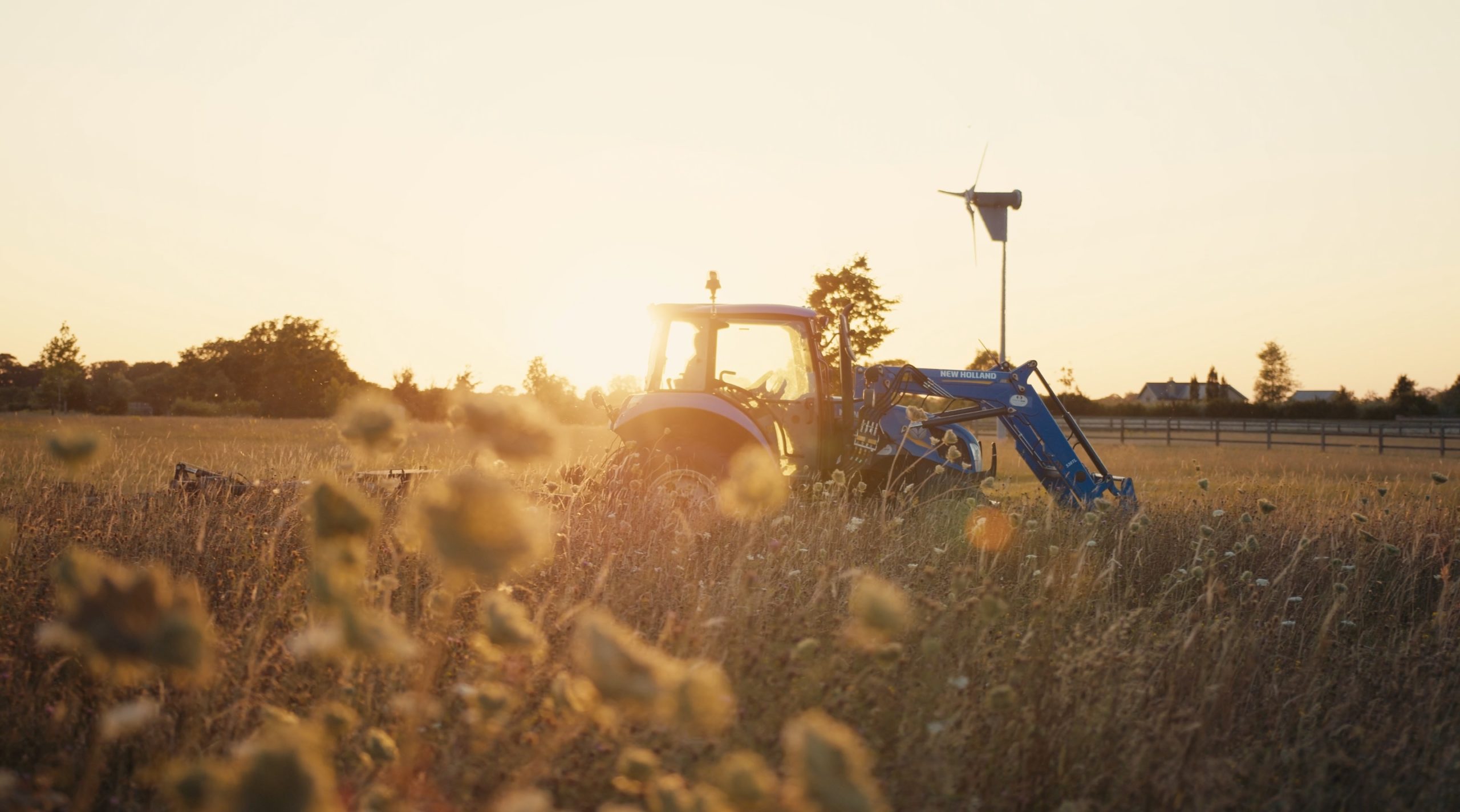
Protecting existing habitats and creating high-quality new habitats can help provide wildlife with the resources it needs to adapt to environmental changes.
For developments where BNG cannot be fully delivered on-site, off-site BNG units provide an opportunity to invest in the creation, restoration and long-term management of habitats elsewhere. By working with experienced habitat providers, developers can help support high-quality habitats that are managed for biodiversity over the long term.
For developers, landowners and planners, BNG provides an opportunity to make biodiversity an integral part of development — helping to create and maintain habitats that can support wildlife not just today, but for decades to come.
For more information on how we can help you deliver your BNG requirements, contact BNG Units Ltd.